
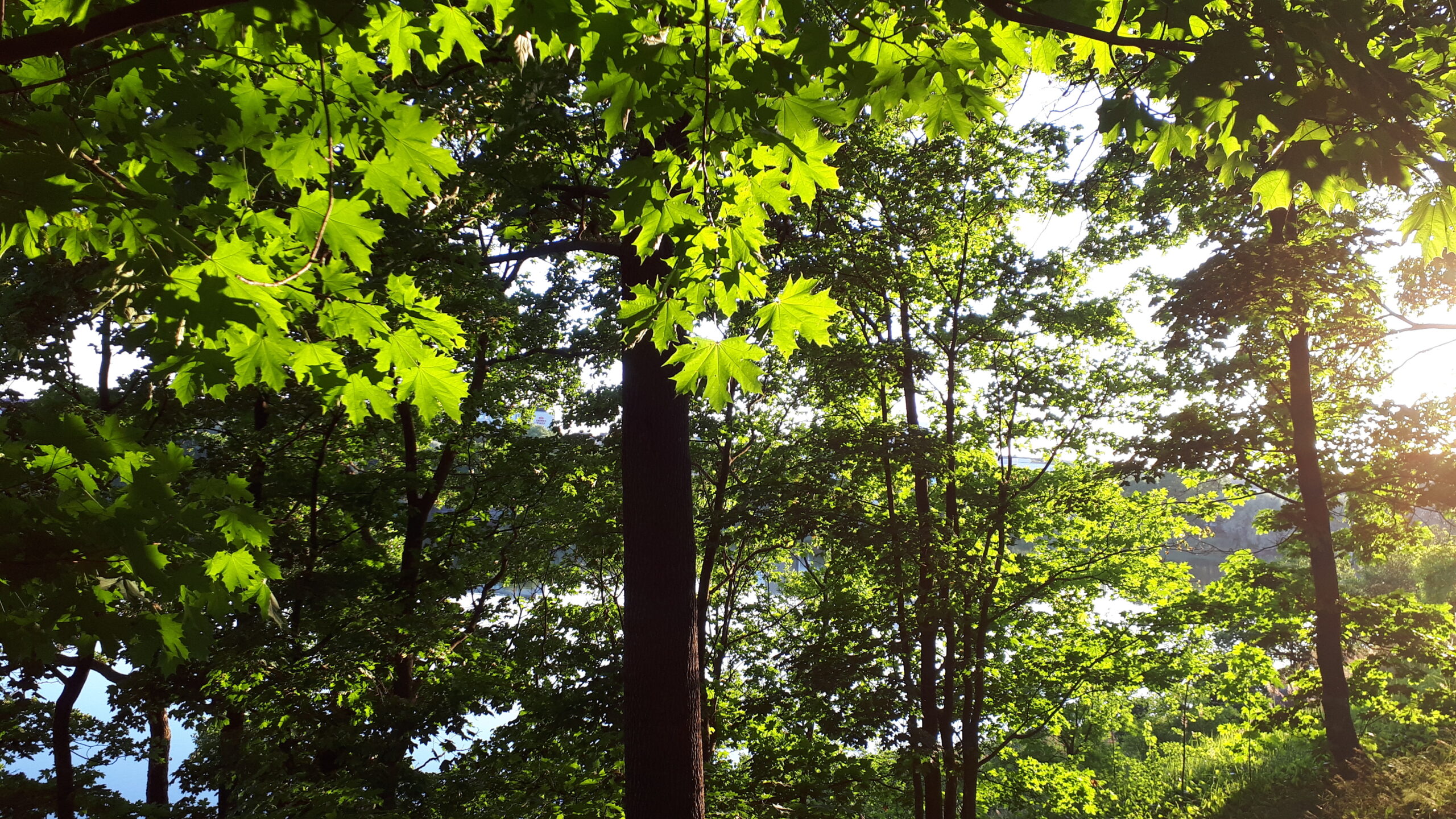
The project Seeing Biodiversity from Space aims to develop a new approach for measuring biodiversity by combining modern remote sensing data sources with ecological analysis and advanced machine learning. The work is funded by the European Space Agency (ESA) through ESA Phi-Lab Finland and is implemented in collaboration between KOKO Forest and Luontoa.
The challenge: measuring biodiversity at scale
Biodiversity loss is increasingly recognised as a systemic environmental and economic risk. At the same time, the tools available to measure biodiversity and track changes in nature remain limited. Biodiversity data is often fragmented, difficult to compare between regions and ecosystems, and challenging to scale from local observations to landscape-level understanding. As a result, biodiversity considerations are still difficult to integrate into land-use planning, investment decisions or emerging biodiversity markets.
The Seeing Biodiversity from Space project addresses this challenge by developing a next-generation approach for biodiversity measurement that combines several complementary data sources. These include aerial imagery, very-high-resolution satellite imagery, laser scanning data and field observations. The different data layers are integrated through advanced artificial intelligence and machine learning models, allowing ecological information to be extracted at both high spatial resolution and large geographic scale.
By combining these datasets, the project enables more precise identification of habitats and their structural characteristics. In addition to habitat delineation and classification, the work focuses on detecting structural features within habitats that are important indicators of biodiversity. These include elements such as tree species composition, the presence of deadwood and structural diversity within forest ecosystems. Such ecological characteristics are widely recognised as critical for biodiversity but have traditionally been difficult to detect reliably through remote sensing alone.
A partnership combining technology and biodiversity expertise
The technological component of the project is led by KOKO Forest, which brings extensive expertise in remote sensing data processing and machine learning. Luontoa contributes expertise in biodiversity metrics, biodiversity regulation and the practical applications of biodiversity information in decision-making, certification and emerging biodiversity markets.
Together, this collaboration ensures that the solution being developed is not only technically advanced but also aligned with the practical needs of landowners, cities, investors and certification systems.
Towards a common biodiversity metric
A central element of the project is the integration of the different data sources into a single, comparable biodiversity metric. This metric is based on a concept that has already been developed and applied in Finland as a legally defined approach for quantifying biodiversity. Within the project, this Finnish concept will be further developed and aligned with emerging European initiatives.
Across the EU, there is growing recognition of the need for consistent and comparable biodiversity metrics as biodiversity reporting requirements expand and new biodiversity financing mechanisms begin to emerge.
Supporting emerging nature markets
The ability to measure biodiversity in a comparable and scalable way is increasingly seen as a prerequisite for the development of functioning nature markets. In many ways, biodiversity markets require a common measurement framework similar to how carbon markets rely on the standardised unit of tonnes of CO₂.
By developing a method that combines ecological science with Earth observation data and machine learning, the project aims to contribute to building this measurement foundation.
Connected to European research and policy development
The work is closely connected to several ongoing research and policy initiatives in Europe. These include the BOOST for Biodiversity Offsets initiative, remote sensing research conducted at the University of Helsinki and the University of Eastern Finland, and the EU Nature Credit Roadmap, which aims to establish a functioning nature credit framework by 2027.
Through these connections, the project is positioned at the intersection of scientific development, technological innovation and emerging biodiversity policy and market frameworks.
A globally scalable approach
Although the approach is being developed using Finnish data and ecological contexts, the underlying methodology is designed to be globally scalable. The project therefore contributes to building the foundations for a new generation of biodiversity measurement that combines Earth observation technologies, ecological science and the practical needs of decision-makers, investors and land managers.
Ultimately, the goal is to make biodiversity visible and measurable at scales that allow it to be systematically integrated into environmental management, land-use planning and economic decision-making.